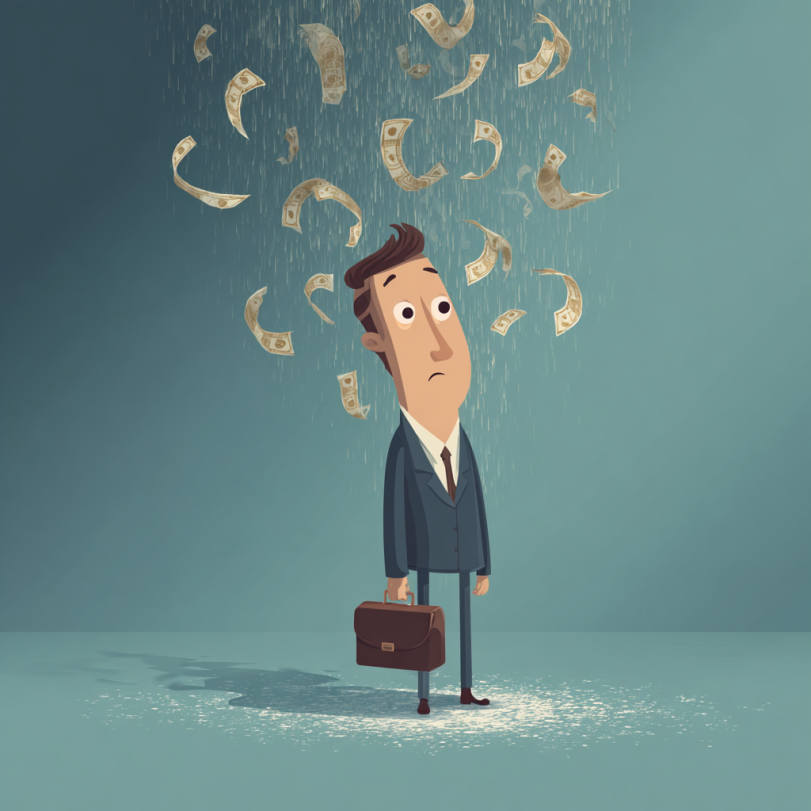
Airline fees, the grandmasters of surprise charges
Let’s start with airlines because, well, they practically invented the secret fee game. The base fare looks great at first. Clean. Affordable. But then the real battle starts. Seat choice, luggage, priority boarding, payment processing, cabin baggage that suddenly is “too big” by half an inch, even water on some low cost airlines. It’s like the fare is intentionally incomplete.
The seat trap
Airlines love to charge you for choosing a seat. Even the middle one nobody on earth actually wants. Some carriers automatically assign you a totally random seat that might separate you from your travel buddy or toss you in the back corner by the toilets. The trick here is simple:
If you don’t care where you sit, skip the paid seat.
If you do care, look for free seat windows at check in, often 24 hours before departure.
Families traveling with kids are usually placed together without extra cost but airlines won’t tell you this upfront.
The carry on chaos
This one is sneaky. Some airlines technically allow a “free” carry on but shrink the size limit so much that your regular cabin bag suddenly counts as paid luggage. Always check the exact dimensions. The difference between allowed and not allowed can be literally 1 cm.
If you have a bigger bag, pre buy luggage early. Buying at the airport is like donating half your wallet for no reason.
The payment fee that makes no sense
Certain airlines quietly add a fee depending on the card type you use. It’s ridiculous but still happens. Using a debit card or the airline’s recommended payment method usually saves you a bit. Doesn’t feel heroic but it adds up.
Train travel fees, smaller but still annoying
Trains pretend to be simpler, and sometimes they are, but hidden fees still sneak in.
Seat reservations on routes that technically don’t require them but become impossible without paying.
Service fees from third party booking sites that charge a few euros just for existing.
Paper ticket fees on old school systems. If there’s a mobile ticket option, use it.
Flexibility fees that let you change trains but cost more than the ticket itself.
The best way to dodge these is to book directly from the official national railway when possible. Third party sites are convenient but they often slide in “service fees” that look small but stack up fast.
Hotel fees, the silent killers
Hotels might be the worst offenders because people assume the price shown is the final one. Spoiler: it rarely is. There are resort fees, cleaning fees, towel fees, deposit fees, city taxes, early check in charges, late check out charges, minibar charges for things you didn’t even touch, and sometimes a “property fee” that means absolutely nothing.
The resort fee problem
The resort fee is infamous, especially in the US. Even tiny hotels with no actual “resort” features will add it. It usually covers things like WiFi or “complimentary use of the fitness area” which might be one treadmill from 1994.
How to dodge it:
Filter by “no resort fees” if the site allows it.
Book through platforms that clearly display total cost early in the process.
Sometimes booking directly with the hotel with a quick email gets you a clearer breakdown.
The cleaning fee trap
This one exploded with vacation rentals. Sometimes the cleaning fee is more than the nightly cost which feels like a scam. Sadly, you can’t fully avoid it, but you can compare similar stays and balance the total cost instead of the nightly cost alone.
Car rental fees, the ones that bite hard
Car rentals are basically a playground of hidden fees waiting to ambush you. Insurance, mileage, fuel rules, tolls, cleaning fees, young driver fees, drop off fees, snow tire fees, road tax, the list is endless.
Fuel policy games
Always check the fuel policy.
Full to full is best.
Full to empty is basically robbery. They charge ridiculous prices for refueling.
Insurance pressure
Rental desks sometimes push insurance aggressively. If you’re covered already by your credit card or travel insurance, you can decline. Just be firm. Really firm. The staff is trained to scare you.
Mileage limits
Some cars look cheap but hide a mileage cap that can costing you a fortune if you go even slightly over.
Ferry fees, sneaky but not terrifying
Ferries don’t usually attack your wallet with the same intensity as airlines, but they still have tricks.
Port taxes that appear late in the booking funnel.
Vehicle fees that change based on size or height.
Cabin surcharges during night crossings.
Food package add ons that you probably won’t need if you pack snacks.
Best strategy is to check the final price before confirming. Ferries sometimes switch currency mid checkout which makes you think you’re paying less than you actually are.
Foreign transaction fees
This one catches travelers off guard. Even if you think your bank card is travel friendly, some banks charge a 2 to 4 percent foreign transaction fee. Doesn’t sound big but it accumulates across hotels, trains, food, souvenirs, everything.
Always bring at least one no foreign transaction fee card. And avoid dynamic currency conversion, the classic airport scam that asks you “pay in local currency or your home currency.” Always choose local currency. Paying in your home currency gives the vendor the right to set the exchange rate and they always inflate it.
Baggage trickery across all transport types
Many companies weigh bags or measure them differently at the gate than at check in. If your bag is even slightly above the allowance, you pay. And at the airport it’s always more expensive.
To beat this:
Weigh your bag at home, ideally with a bit of buffer.
Wear heavier clothes if needed.
Put dense items in your pockets.
Don’t assume “nobody checks.” They check exactly when you’re unlucky.
Subscription traps and small digital fees
Travel apps sometimes offer “premium search features” or “cheap price alerts” with free trials that turn into paid subscriptions if you forget to cancel. Same with WiFi packages on trains, airports, and ferries. It’s not a huge cost each time but it adds up. Always read what you’re clicking, especially when a big shiny “Continue” button hides the small line saying “This activates a subscription.”
The bigger picture, why all this matters
Avoiding hidden fees isn’t about being cheap. It’s about protecting your travel budget from nonsense. Money spent on fake mandatory add ons is money you’re not spending on meals, experiences, or even just a better hotel.
Travel should feel like discovery and joy, not a thousand tiny cuts from companies hoping you’re not fully paying attention. Once you learn where the traps are, everything gets easier. You book faster, you book smarter, and you stop feeling like you’re losing a battle you never signed up for.
In the end, clarity is the goal
If you want to dodge hidden fees, the main rule is simple: slow down. Not dramatically slow, but slow enough to actually read before you click. Hidden fees thrive on impatience. They hide in small print, late checkout screens, expandable menus, little buttons pretending to be optional.
The more you notice, the less you pay. It’s not glamorous but it works. And once you get used to the pattern, avoiding these fees becomes almost instinctive.
Travel already costs enough. You shouldn’t pay extra just because a company tried to nudge a few more dollars from your trip. Be alert, be a bit stubborn, and don’t let the sneaky stuff win.